From Grass to Pavement
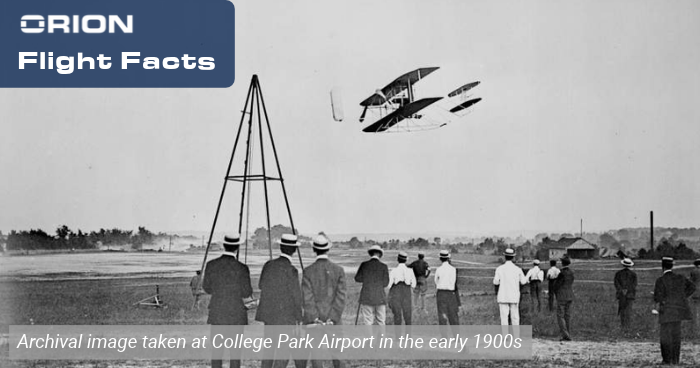
Many of today’s airports began as simple grass fields, with no pavement, markings, or lighting. Those early runways were built for aircraft that were far lighter and slower than the planes we see today.
In 1928, Ford Airfield in Dearborn, Michigan constructed one of the first concrete runways in the U.S., adapting roadway construction methods for aviation use.
Since then, airfield design has evolved dramatically. Today, runway geometry and markings are driven by an airport’s fleet mix and operational needs. Each time airlines introduce new aircraft, airfield infrastructure needs to be evaluated to support safe operations.
What started as grass has become one of the most carefully engineered surfaces in transportation.
Below: Fans of Charles Lindburgh walk alongside as he prepares to take off from Roosevelt Field, Long Island, NY.